How to Remove Sticker Residue Without Damaging the Surface
 THE RPS LLC
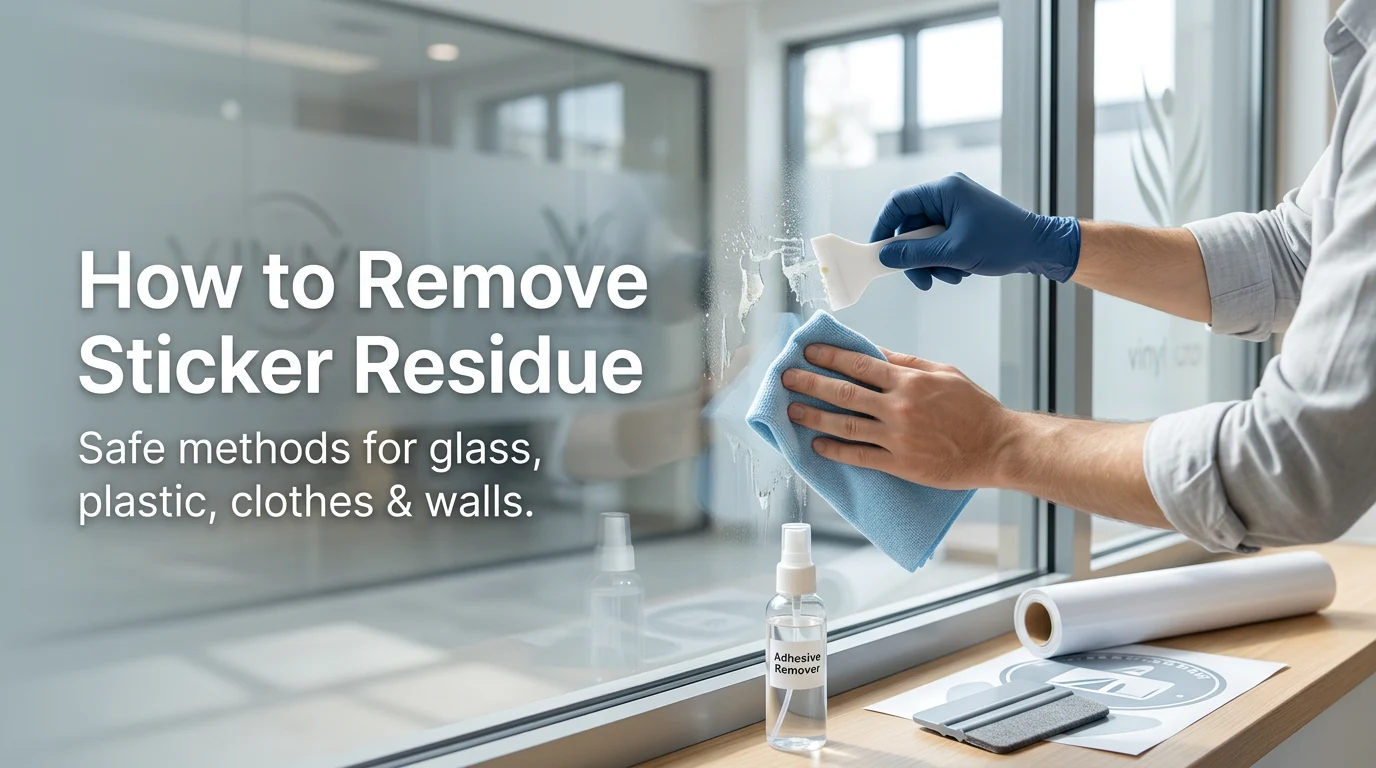
How to Remove Sticker Residue Without Damaging the Surface Peeling off a sticker should be simple. Sometimes the sticker leaves; the glue decides to stay. Price labels, vinyl decals, name tags, window stickers and…
How to Remove Sticker Residue Without Damaging the Surface
Peeling off a sticker should be simple. Sometimes the sticker leaves; the glue decides to stay.
Price labels, vinyl decals, name tags, window stickers and packing labels can all leave a sticky film behind. The frustrating part is that the method that works perfectly on glass may damage acrylic, painted walls, clothing or a car finish.
The safest way to remove sticker residue is simple: start with the least aggressive method that suits the surface, give it time to work, and only move to a stronger cleaner if the adhesive remains.
This guide explains how to get sticker residue off glass, plastic, acrylic, clothes, walls, metal and vehicles, including when rubbing alcohol for sticker residue makes sense—and when it does not.
Quick answer: For most durable hard surfaces, start with warm water and dish soap, wipe with a microfiber cloth, and gently lift softened glue with a plastic card or scraper. If residue remains, rubbing alcohol can work on many compatible hard surfaces. Always test cleaners first, especially on plastic, acrylic, paint, coatings and fabrics.

Why Do Stickers Leave Sticky Residue?
Most stickers use pressure-sensitive adhesive. It is designed to form a bond when pressure is applied rather than drying like ordinary liquid glue.
How easily that adhesive comes off later depends on several things: the adhesive formulation, how long it has been installed, heat exposure, sunlight, the surface underneath and how the sticker is removed.
A label that was applied yesterday may peel away cleanly. The same sticker left on a sunny window for a year can behave very differently.
From our own work producing and installing vinyl graphics, we also see that the right adhesive for the application matters. Temporary promotional graphics and permanent outdoor branding should not automatically use the same type of vinyl.
That is one reason clean removal starts before the sticker is even printed.
What Is the Best Way to Remove Sticker Residue?
There is no single best cleaner for every surface.
For plain glass and metal, you usually have more options. Plastic and acrylic require more caution. Fabric needs an entirely different approach. Automotive paint should be treated only with products compatible with the finish.
A useful rule is:
soften → lift → clean → inspect
Start by removing as much of the sticker as you can without scratching the surface. Then soften the remaining adhesive. Lift it gently rather than aggressively scraping it. Finally, clean the area and check that the surface has not changed in color, gloss or texture.
Does Rubbing Alcohol Remove Sticker Residue?
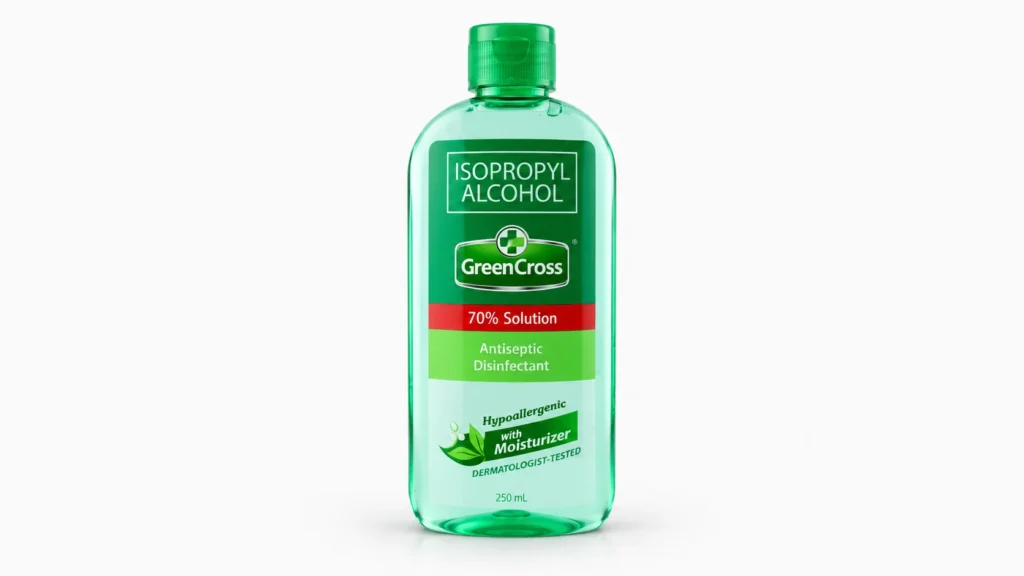
Yes, rubbing alcohol can remove sticker residue from many compatible hard surfaces because it can soften certain adhesives and make them easier to wipe away.
That does not mean it is automatically safe on everything.
For plain glass and some metals, a small amount of isopropyl alcohol applied to a cloth can work well. On plastic, acrylic, painted surfaces, coated glass and fabric, test an inconspicuous spot first or follow the material manufacturer’s cleaning instructions.
How to use rubbing alcohol for sticker residue
Dampen a clean microfiber cloth with rubbing alcohol rather than pouring it directly over the surface.
Press the cloth against the adhesive briefly to give it time to soften the residue. Then rub gently. Once the glue starts rolling or lifting, remove it with the cloth or a plastic scraper.
Finally, wipe the area with clean water and dry it.
If nothing changes after a reasonable attempt, do not keep adding stronger solvent. Reassess the material first.
How to Remove Sticker Residue From Glass
Plain, uncoated glass is one of the easier surfaces to clean because the adhesive sits on a nonporous surface.
Start with warm water mixed with a little dish soap. Wet the residue and allow it to soften for several minutes.
Rub with a microfiber cloth and use a plastic card or plastic scraper for remaining glue.
If necessary and appropriate for the glass, use a small amount of rubbing alcohol on the cloth.
Then clean the glass normally and dry it.
What about window film and shop graphics?
This needs more care.
A plain glass jar and a commercial window with decorative film, tint or specialist graphics are not the same thing.
Follow the manufacturer’s removal procedure for architectural films. For example, 3M’s guidance for certain glass decorative films specifically instructs installers not to use heat sources or chemicals during film removal and gives its own detergent-and-water process. 3M Multimedia
So if you are removing commercial window graphics, tint or architectural film, identify the material before treating it like an ordinary label.
If you are replacing old shop-window branding afterward, this is a natural place to internally link the words ultra clear glass stickers to your glass-sticker product page. Your site already has a dedicated ultra-clear glass sticker service. Printing Service Dubai
How to Get Sticker Residue Off Plastic
Plastic is where “just use a stronger cleaner” becomes a bad idea.
Different plastics react differently to solvents. Some can discolor, become cloudy or develop surface damage.
Start with warm soapy water.
Let it sit briefly, rub with a soft cloth and lift softened adhesive using a plastic card.
If that is not enough, a small amount of cooking oil can sometimes help loosen sticky residue on compatible plastic. Wash the oil away afterward with dish soap.
Avoid assuming acetone or another strong solvent is safe. Acrylic and some clear plastics are particularly sensitive.
When in doubt, check the manufacturer instructions or test an unseen area first.
How to Remove Sticker Residue From Acrylic
Acrylic looks like glass but should not be cleaned as if it were glass.
Strong solvents can cloud or damage it, and abrasive cleaners can leave permanent scratches.
Use mild dish soap and lukewarm water first. Apply it with a soft microfiber cloth and give the adhesive time to soften.
Gently work the residue away with your fingers or a plastic tool that will not scratch the acrylic.
Avoid metal scrapers and aggressive solvent experimentation.
This matters especially with acrylic signs, menu displays, retail stands and branded panels because even small scratches become visible under light.
How to Get Sticker Residue Off Clothes
Fabric needs a different approach because adhesive can work its way between fibers.
First, check the garment care label.
Remove as much of the sticker as possible without stretching the fabric. If the adhesive is thick, cooling it can help make it easier to lift.
The American Cleaning Institute recommends hardening adhesive with ice or cold water, gently scraping the surface, then using an appropriate prewash stain remover before rinsing and laundering. It also advises not putting a garment in the dryer while a stain remains, because drying can make removal harder. Cleaning Institute
That last point matters.
If you are wondering how to get sticker residue off clothes, do not automatically throw the garment into a hot dryer after the first cleaning attempt.
Inspect it first.
For washable, colorfast fabric, some people use rubbing alcohol on stubborn adhesive, but always test a hidden area and follow the garment care instructions.
Dry-clean-only, delicate or valuable garments are better handled professionally.
How to Remove Sticker Residue From Painted Walls
Painted walls should be treated gently.
Start by slowly peeling the sticker rather than pulling it sharply away from the wall.
Use a lightly dampened cloth with mild soapy water on the remaining adhesive. Avoid saturating the wall.
Rub gently rather than scrubbing.
If the residue remains, test any stronger treatment in an area that will not be noticed. Different paints have different resistance to moisture, alcohol and cleaning products.
If the paint begins transferring to your cloth, stop.
When choosing replacement wall graphics, use the correct removable or permanent adhesive for the intended duration. Your wall stickers and murals page is a strong internal link from this section because your site already offers removable and permanent vinyl options for wall applications. Printing Service Dubai
How to Remove Sticker Residue From Metal
Unpainted or compatible finished metal is usually easier than plastic or painted walls, although the finish still matters.
Start with warm soapy water and a microfiber cloth.
For stubborn residue on a compatible metal surface, rubbing alcohol or a manufacturer-approved adhesive remover may help.
Do not attack polished metal with steel wool or a harsh abrasive pad. Even if the glue disappears, scratches may remain.
Always clean away any residue from the cleaning product afterward and dry the surface.
How to Remove Sticker Residue From a Car
Vehicles need special care because a single car contains several very different surfaces: automotive paint, glass, plastic trim, rubber seals, tint and interior materials.
For car paint, begin with a normal automotive-safe wash and microfiber cloth.
If adhesive remains, use a product specifically labeled as compatible with cured automotive paint and follow the manufacturer’s instructions.
3M, for example, manufactures adhesive-removal products intended for professional automotive use and states that specific formulations are suitable for adhesive residue on compatible cured automotive paint, glass and vinyl when used as directed. 3M
Do not use metal blades on painted panels.
For vehicle glass, make sure you know whether you are working near tint or another film before using solvents or scraping tools.
If the vehicle will be rebranded afterward, internally link vehicle branding in Dubai here. Your vehicle-branding page already covers printed vinyl graphics, fleet branding and professional installation. Printing Service Dubai
Should You Use Heat to Remove a Sticker?
Sometimes gentle warmth can soften a normal pressure-sensitive label and make it easier to peel.
But this is one of those tips that needs context.
Do not automatically reach for a heat gun.
Heat can damage paint, plastics, tint, coatings and some specialist window films. A professional heat gun can also get far hotter than a household hair dryer.
Use heat only when you know the surface and sticker material can tolerate it, and follow the film or surface manufacturer’s instructions.

When Should You Use a Commercial Adhesive Remover?
Household methods are enough for many labels.
Older vinyl, automotive decals, industrial adhesives and graphics exposed to years of sunlight can be much more difficult.
That is when a purpose-made adhesive remover may make sense.
The product must be compatible with the surface.
Never assume that because a chemical removes glue, it is safe for the material underneath.
3M’s professional removal guidance also recommends testing the selected adhesive remover on an inconspicuous area before proceeding. 3M Multimedia

What Should You Avoid?
Whatever method you choose, the biggest mistakes are usually caused by trying to speed things up.
Avoid metal blades on automotive paint and soft materials, strong solvent on unknown plastic, aggressive scrubbing on acrylic, soaking painted walls, excessive heat around tint or delicate finishes, and putting clothing into a hot dryer before you know the adhesive is gone.
And never mix cleaning chemicals unless their manufacturers specifically say the products can be combined.
The strongest cleaner is not automatically the best cleaner.
The goal is to remove the glue without creating a bigger problem underneath it.
How to Prevent Sticker Residue Next Time
The easiest sticker residue to remove is the residue that never gets left behind.
Before ordering a sticker, think about where it is going and how long it needs to stay there.
A label for product packaging, a three-day exhibition graphic, a shop-window promotion and permanent outdoor vehicle branding all have different requirements.
For temporary use, removable adhesive may be the better choice.
For long-term outdoor use, a more durable adhesive and compatible vinyl may be necessary.
3M itself produces removable label materials specifically designed for long-term adhesion followed by clean removal from compatible smooth surfaces, showing why adhesive selection is just as important as the printed face material. 3M
This is where your production experience gives this article something many generic cleaning blogs do not have: you actually work with adhesive vinyl and printed graphics.
Internally link vinyl sticker printing and self-adhesive stickers from this section. Your site offers different vinyl finishes plus removable/permanent applications and self-adhesive products for glass, plastic, metal and other surfaces. Printing Service Dubai
Need to Replace the Old Sticker?
Once the surface is clean and dry, choose the replacement material based on where the new graphic will be installed, how long it should remain and how you want it to come off later.
THE RPS LLC produces custom stickers and large-format graphics in Dubai for shop windows, walls, vehicles, packaging, offices and promotional applications.
The commercial section should stay short because the reader came here for a cleaning answer—not a sales pitch.
A natural CTA is enough:
Removing an old graphic before rebranding? Explore our vinyl sticker printing, wall graphics, glass stickers and vehicle branding options, or contact our production team for advice on choosing the right adhesive for your application.
Frequently Asked Questions
How do you remove sticker residue quickly?
Start with warm soapy water and a microfiber cloth. Use a plastic scraper to gently lift softened adhesive. On a compatible hard surface, rubbing alcohol may help with residue that remains.
Does rubbing alcohol remove sticker residue?
It can remove many types of sticker residue from compatible hard surfaces. Test first, particularly on plastics, acrylic, paint, coatings and fabric.
How do I get sticker residue off glass?
For ordinary plain glass, start with warm soapy water and a plastic scraper. Rubbing alcohol can help with stubborn residue if appropriate for the surface. For tinted, coated or decorative-film glass, follow the film manufacturer’s removal instructions.
How do I get sticker residue off clothes?
Check the care label first. Remove loose material, harden thicker adhesive with cold if appropriate, gently lift it, pretreat the area and launder according to the garment instructions. Do not machine-dry until the residue is gone. Cleaning Institute
How do I remove sticker residue from plastic?
Start with mild soap and water. A small amount of cooking oil may help on compatible plastic. Avoid strong solvent unless you know the specific plastic can tolerate it.
Can I use acetone to remove sticker glue?
Acetone can dissolve adhesive, but it can also damage many plastics, acrylics, painted surfaces and finishes. It should not be treated as a universal sticker remover.
What is the safest sticker residue remover?
There is no single safest product for every surface. Warm soapy water is a sensible low-risk starting point for many washable surfaces, followed by a surface-specific method if residue remains.
Why do some stickers leave more residue?
Adhesive formulation, sticker age, UV exposure, heat, surface texture and removal technique all affect how much glue stays behind.
Excellent print is never accidental. It comes from the right material, careful preparation and consistent production.
THE RPS LLC Production Team
Recommended for You
 Jobs
JobsLarge Format Machine Operator Jobs in Dubai | Printing & Applicator Careers
→ Jobs
JobsSales Jobs in Dubai | Printing & Branding Sales Careers
→ large format printing
Double-Sided Window Stickers Dubai: Printing, Materials & Installation Guide
→ General

